Luxury interior design in Houston is often mistaken for expensive decorating. More costly furniture, a designer label on the sofa, a statement chandelier in the entry. Those things can be part of it, but they are not what makes a home feel truly high-end. The difference lives in the planning, the detailing, and the decisions most people never see.
L. Meraki Interiors designs homes across Houston, from established residences in River Oaks, Memorial, and Tanglewood to new construction in Cypress, Bridgeland, and Katy. The studio works with homeowners who want more than a refreshed look. They want a home that feels considered in every room and holds up to the way they actually live.
This guide explains where luxury design and standard decorating truly differ, so you can recognize the difference and decide what your home needs.
Here is what separates the two.
Decorating Styles a Room. Luxury Interior Design Shapes It.
Decorating and design are both valuable, but they start at different points.
Decorating works with what exists: A decorator typically works within the current layout, architecture, and finishes. The focus is furniture, color, textiles, and accessories. For a room that already functions well, that can be exactly what it needs.
Design starts with how the space works: Luxury interior design begins with the layout. Where people walk, where they sit, where light falls, and how each room connects to the next. Finishes and furniture come after those questions are answered.
Design can change the space itself: High-end interior design often involves moving walls, reworking cabinetry, rethinking a primary bath, or redefining how an open floor plan flows. The designer coordinates with your builder and architect so the vision carries through construction.
The simplest way to see the difference: decorating changes how a room looks. Design changes how a home lives.
Everything Is Sized to the Room, Not the Catalog
One of the clearest signs of a luxury interior is proportion. Things simply fit.
Furniture is scaled to the space: Standard pieces are made to fit an average room. Many Houston homes are anything but average, from the tall ceilings of a Memorial estate to the long, open great rooms common in newer Cypress and Katy builds. Custom upholstery, dining tables, and case goods can be sized to the exact proportions of the room.
Built-ins are planned around real use: Cabinetry, shelving, and storage are designed around what they will hold and how the household uses them, not chosen from a standard set of widths.
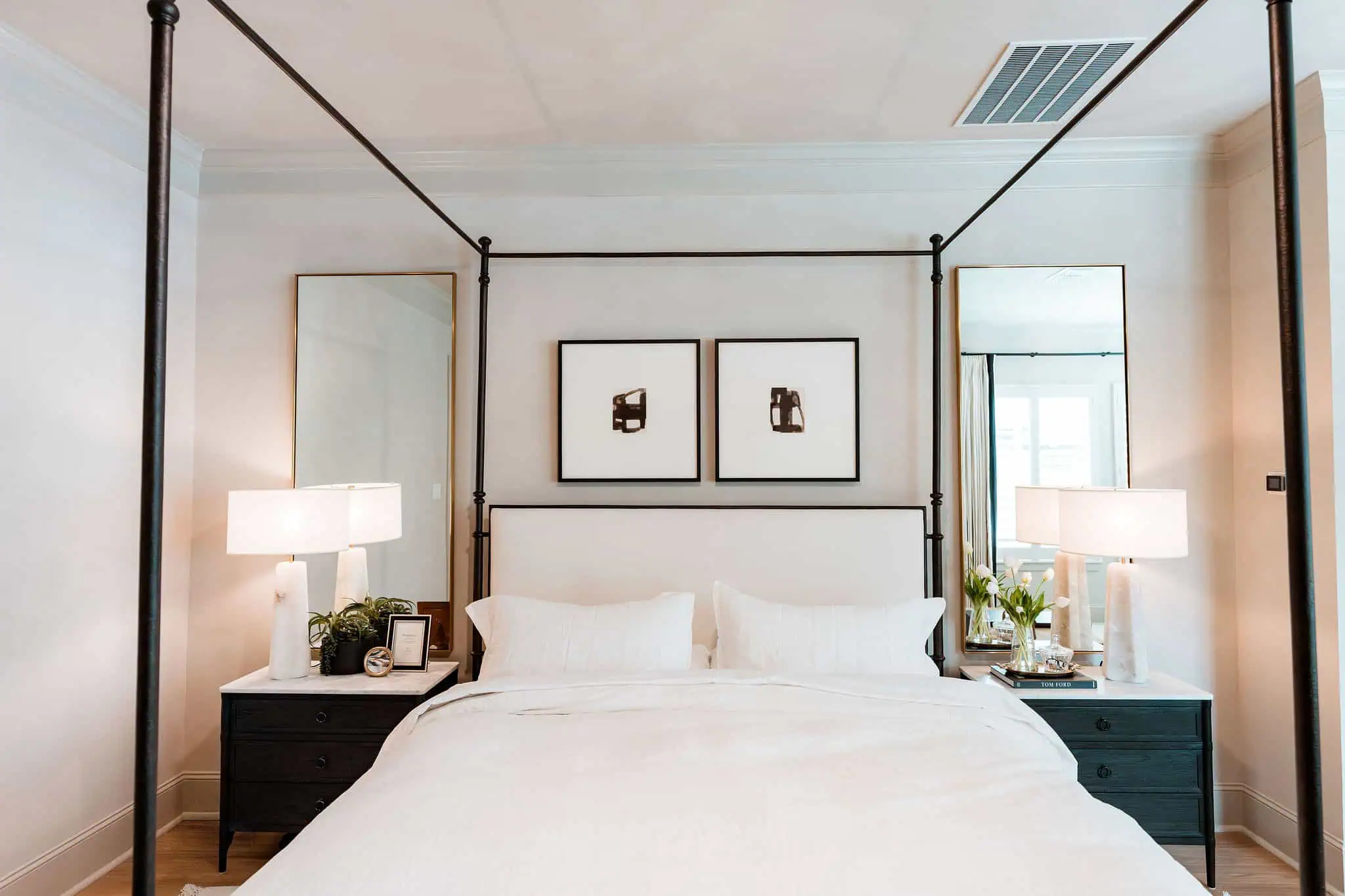
Details align: In a well designed room, light fixtures center on the furniture, hardware lines up across cabinetry, and outlets sit where lamps and devices will actually go. Few people notice these choices individually. Almost everyone notices when they are missing.
Materials Are Selected, Not Just Specified
Standard decorating often relies on finishes chosen from a showroom sample or an online photo. Luxury design treats materials as individual pieces.
Stone is chosen by the slab: Natural stone varies widely, even within the same type. A designer often reviews slabs in person and plans how the veining falls across an island, a backsplash, or a shower wall.
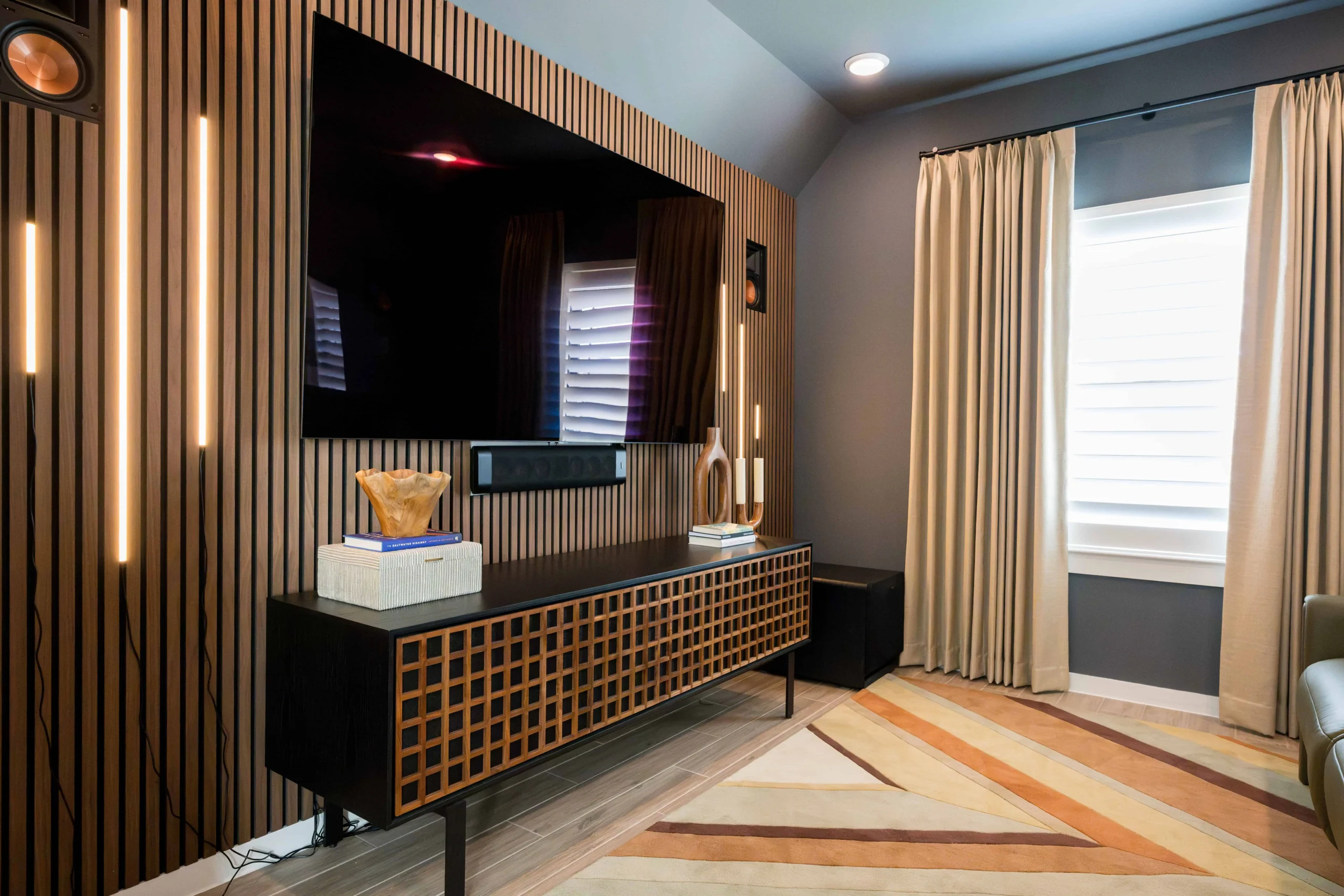
Finishes have depth: Hand-applied plaster, custom stained woods, unlacquered brass, and textured wallcoverings bring a richness that mass-produced surfaces cannot replicate.
Performance is part of the selection: Luxury does not mean fragile. Families with kids, pets, and busy households need materials that look beautiful and handle daily life. A designer selects performance fabrics, durable stone, and resilient finishes so the home stays refined for years, not months.
This is especially visible in spaces like the primary bath, where bathroom remodeling brings stone, tile, plumbing fixtures, and lighting together in a small footprint where every surface is seen up close.
Access Changes What Is Possible
A luxury interior designer in Houston brings access that most homeowners do not have on their own.
Trade-only sources: Many of the finest furniture, lighting, and textile lines are sold only through the design trade. These pieces are rarely found in retail showrooms or online.
Custom workrooms: Drapery, upholstery, and bedding are often made to order by skilled workrooms, with fabric, fill, trim, and construction chosen for the specific room.
Artisan and vendor relationships: Established relationships with fabricators, stone yards, and specialty vendors make it possible to create pieces that do not exist anywhere else.
Access also brings accountability. When something arrives damaged or a lead time shifts, the designer manages it so the homeowner does not have to.
Lighting Is Designed, Not Added
Lighting is one of the most overlooked differences between standard decorating and high-end interior design.
Layered lighting: A luxury interior uses several layers working together. Ambient light for the room, task lighting where work happens, and accent lighting for art, architecture, and texture.
Planned before construction: In a renovation or new build, lighting placement is decided early so fixtures, switches, and dimming support the furniture plan and the way each room is used throughout the day.
Warmth and consistency: Light temperature and quality stay consistent across connected spaces, which is what makes an open floor plan feel calm instead of patchy.
Decorating usually adds lamps and swaps fixtures. Design builds lighting into the architecture of the home.
The Process Is the Real Luxury
Many homeowners are surprised to learn that the most valuable part of luxury design is not a single object. It is the process that brings everything together.
One cohesive plan: Every room is designed as part of the whole home, so finishes, colors, and furniture relate to one another from the front door to the primary suite.
Coordination with the full team: The designer works alongside builders, architects, contractors, and vendors so design intent is not lost between trades.
Procurement handled end to end: Ordering, tracking, receiving, inspecting, and storing every piece is managed on the homeowner’s behalf.
A complete installation: On installation day, furniture is placed, art is hung, beds are dressed, and rooms are styled. Homeowners walk into a finished home rather than a collection of deliveries.
This is what full-service residential interior design provides. It replaces hundreds of individual decisions and coordination tasks with one clear plan and one accountable design lead.
Restraint Is Part of the Design
High-end interior design is not about filling a home with expensive things. Often it is about editing.
Fewer, better pieces: A luxury interior tends to feel calm because every piece has a purpose. Clutter and excess compete with the architecture.
Personal over trendy: Trends fade quickly. A well designed home reflects the people who live there, including collected art, family pieces, and objects with meaning.
Built to age well: Timeless layouts, quality materials, and thoughtful proportions keep a home feeling right long after current trends move on. That longevity is also part of how professional interior design increases home value.
When Luxury Interior Design Is the Right Fit
Standard decorating can be a great choice for a quick refresh in a room that already works. Luxury interior design is the better fit when the project calls for more.
You are renovating or building: Any project involving layout changes, new cabinetry, or construction benefits from design leading the process. For new builds, custom home interior design brings the interior plan in early, before key decisions are locked in.
You want the whole home to feel cohesive: If rooms feel disconnected or the home was furnished piece by piece over time, a full design plan ties everything together.
Your home has unique architecture: Established homes in River Oaks, West University, and Bellaire often need tailored solutions that standard pieces cannot provide.
You value your time: A full-service designer manages the details so you can focus on your work, your family, and your life.
Ready to Experience Luxury Interior Design in Houston?
The difference between decorating and design is not always visible in a single photograph. It shows up in how a home feels every day. How it flows, how it functions, and how well it reflects the people who live there.
L. Meraki Interiors is a full-service luxury interior design studio based in Houston, TX, serving homeowners across River Oaks, Memorial, Tanglewood, West University, Bellaire, Cypress, Katy, Bridgeland, and the surrounding communities. If you are ready to create a home that feels considered from every angle, the studio would be glad to hear about your project.