Designing a commercial interior requires more than selecting finishes or furnishings. Layout, functionality, workflow, and long-term usability all play a critical role in how a space performs once it is in use. When these elements are not carefully planned, the result can be inefficiencies, operational challenges, and costly changes after completion.
Below are some of the most common design mistakes seen in commercial interiors and why working with a professional interior designer in Houston helps ensure commercial spaces are planned with clarity, intention, and long-term performance in mind.
Prioritizing Appearance Over Function
One of the most common mistakes in commercial interior design is focusing on aesthetics without fully considering how the space will function day to day. While visual appeal matters, commercial environments must first support workflow, efficiency, and user experience.
Poor furniture placement, impractical layouts, or insufficient circulation paths can quickly create operational challenges. A well-designed commercial space balances appearance with functionality, ensuring the space looks refined while supporting how it is actually used.
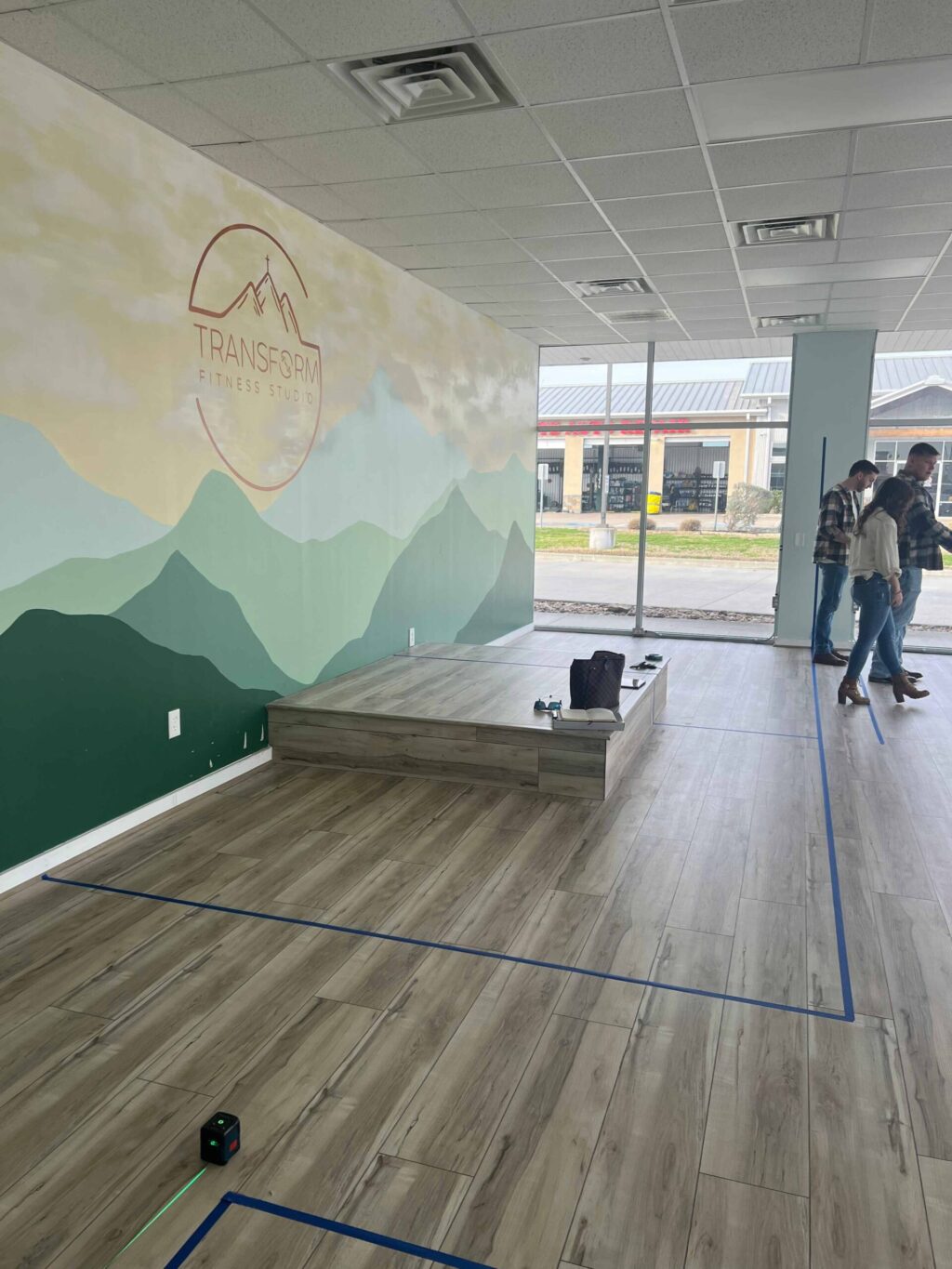
Ignoring Space Planning and Layout
Effective space planning is critical in commercial interiors. Without proper planning, businesses may face overcrowded work areas, underutilized spaces, or layouts that hinder productivity.
Commercial interior design should account for employee movement, client flow, accessibility, and future growth. Thoughtful space planning early in the design process helps prevent inefficiencies and allows the space to adapt as business needs change.
Overlooking Lighting Design
Lighting is often treated as an afterthought in commercial interiors, yet it plays a major role in comfort, productivity, and overall atmosphere. Relying solely on overhead lighting or failing to layer different light sources can result in spaces that feel harsh, dim, or uninviting.
Professional interior designers consider natural light, task lighting, ambient lighting, and accent lighting together to create a balanced and functional environment appropriate for the type of business.
Choosing Materials Without Considering Durability
Selecting materials based solely on appearance can lead to premature wear, maintenance issues, and higher interior design costs. Commercial interiors experience significantly more foot traffic and daily use than residential spaces, making durability essential.
Flooring, finishes, and furnishings should be chosen with longevity, maintenance requirements, and usage patterns in mind. A professional interior designer helps evaluate materials that perform well while maintaining a cohesive aesthetic.
Failing to Align Design With Brand Identity
A commercial interior is often the first physical interaction clients have with a business. When the design does not reflect the brand’s identity, values, or professionalism, it can create confusion or weaken brand perception.
Design elements such as layout, materials, color palette, and furnishings should align with the business’s purpose and audience. Thoughtful design helps reinforce brand identity and creates a consistent experience for clients and employees alike.
Underestimating Storage and Operational Needs
In many commercial spaces, storage is either overlooked or poorly planned. Insufficient storage can lead to cluttered work areas, inefficient workflows, and a lack of organization.
Proper planning considers both visible and concealed storage solutions that support daily operations without compromising the overall design. This is especially important in offices, medical practices, and client-facing environments.
Attempting to Manage Design Without Professional Guidance
One of the most costly mistakes is attempting to manage a commercial interior project without professional design guidance. While this may seem efficient initially, it often leads to design missteps, rework, and unexpected expenses.
A professional interior designer brings experience, coordination, and strategic planning to the process, helping avoid common pitfalls and ensuring the space is designed correctly from the start.
Why Professional Commercial Interior Design Matters
Commercial interiors require a different level of planning than residential spaces. From layout and materials to lighting and long-term use, every decision impacts how the business operates and is perceived.
Working with an experienced interior designer in Houston helps ensure commercial spaces are functional, durable, and thoughtfully designed. Professional guidance allows business owners to focus on their operations while design decisions are handled with clarity and expertise.
Business owners planning a new commercial interior or renovation may begin the process by submitting a design inquiry to review project scope, timing, and next steps.
Final Thoughts
Avoiding common design mistakes in commercial interiors begins with thoughtful planning and informed decision-making. When layout, materials, lighting, and operational needs are considered early, commercial spaces are better equipped to support daily use and long-term performance.
For business owners planning a new commercial interior or renovation, professional interior design services provide structure, clarity, and confidence throughout the process, ensuring the space is designed to function as well as it looks.